
Can Solar Survive Extreme Weather Conditions?
The simple answer to this question is yes. We all know what the climate is like in India. So, it is also necessary to have that type of solar panel on your roof.
India is racing toward its ambitious renewable energy goals, and solar manufacturing is right at the heart of that journey. With the government pushing for domestic production and global demand for clean energy soaring, Indian solar manufacturers have stepped up in a big way.
Whether you’re a business owner, investor, or homeowner thinking about going solar, knowing who the top players are can help you make smarter decisions. Here’s a look at the top 10 solar manufacturing companies in India in 2026.
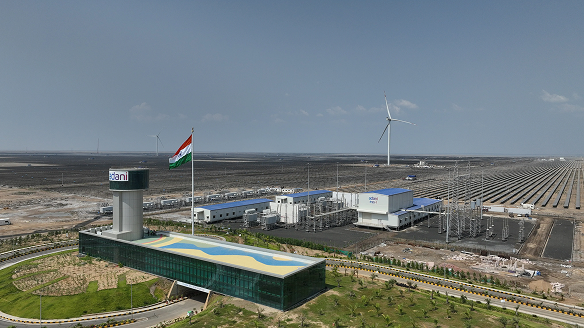
Adani Solar is one of the largest solar manufacturers in Asia and a dominant force in India’s clean energy transition. With one of the biggest integrated solar manufacturing facilities in the country, Adani Solar produces cells, wafers, and modules at an enormous scale. Their products power some of India’s largest solar parks and continue to set benchmarks in the industry.
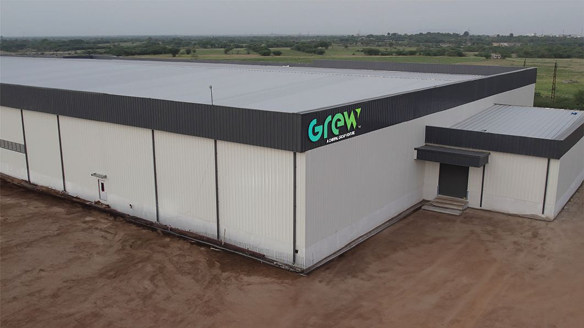
Grew Solar has quickly made a name for itself as one of India’s most promising solar manufacturers. Known for its high-efficiency monocrystalline panels and a strong focus on quality control, Grew Solar is gaining traction across residential, commercial, and utility-scale segments. Their manufacturing processes align with international standards, making them a reliable choice for buyers who don’t want to compromise on performance.
Solitech Solar is a growing name in India’s solar manufacturing industry, based in Surat, Gujarat. They offer a range of solar panels designed for residential, commercial, and industrial applications. Their manufacturing facility follows established quality benchmarks, and their products are built to perform reliably across India’s varied climatic conditions. Solitech Solar serves both the domestic market and is expanding its reach steadily.
Premier Energies is one of India’s largest vertically integrated solar manufacturers, covering everything from cells to modules. Based in Hyderabad, the company has been in the game for decades and continues to scale aggressively. Their commitment to R&D and expanding production capacity makes them a powerhouse in the Indian solar landscape in 2026.
Jakson Solar brings together decades of energy expertise with modern solar manufacturing capabilities. They cater to large-scale EPC projects and have a solid reputation for delivering on time and on spec. Their modules are built to withstand India’s diverse and often harsh climatic conditions, making them a popular choice for utility developers.
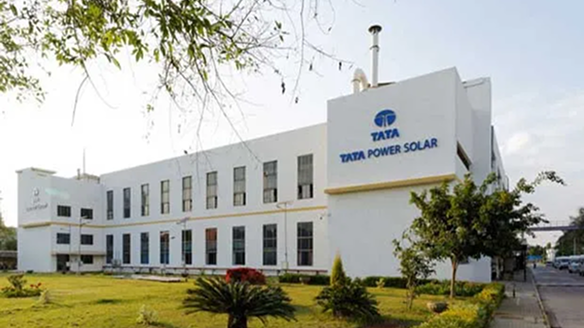
Tata Solar, part of the iconic Tata Group, brings the trust and legacy of one of India’s most respected conglomerates to the solar space. Their panels are known for exceptional reliability and long service life. Tata Solar serves both the Indian market and international buyers, backed by a robust supply chain and after-sales support network.
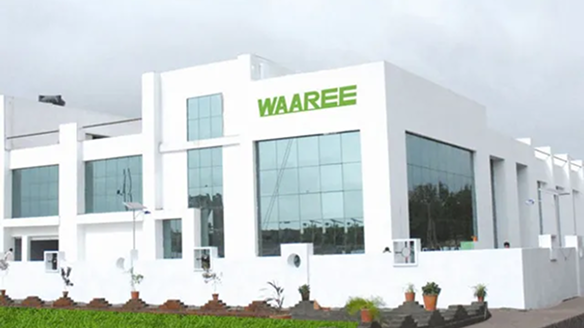
Waaree Energies is India’s largest solar panel exporter and one of the most recognized names globally. With a manufacturing capacity that continues to grow year on year, Waaree offers a wide range of modules including monocrystalline, polycrystalline, and bifacial panels. Their strong distribution network across India and abroad makes them a go-to choice for large-scale projects.
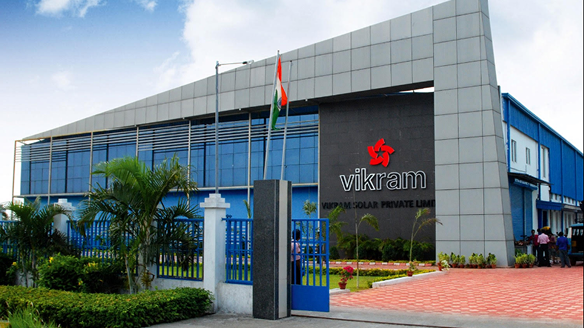
Vikram Solar is a Kolkata-based manufacturer with a strong global footprint. They are particularly well-regarded for their high-efficiency modules and have won multiple international quality certifications. Vikram Solar is a preferred supplier for utility-scale projects in Europe and the US, which speaks volumes about the quality they deliver.
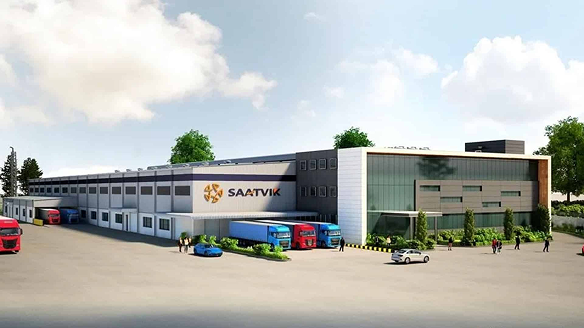
Saatvik Green Energy has emerged as a fast-growing solar manufacturer with a focus on high-performance modules for the Indian market. Their manufacturing facility in Haryana is equipped with modern technology, and their modules are known for consistent output and long-term reliability. Saatvik is quickly becoming a trusted name among EPC contractors and solar developers.
Loom Solar has built an impressive brand around small and medium solar solutions. They’re particularly popular in the rooftop and off-grid segment, making solar accessible to everyday households and small businesses. Their strong digital presence and direct-to-customer model have helped them grow rapidly, and they remain a popular choice for first-time solar buyers in India.
India has set a target of 500 GW of renewable energy capacity, and solar is leading the charge. Government initiatives like the Production Linked Incentive (PLI) scheme for solar modules, import duties on Chinese panels, and the push for Atmanirbhar Bharat have all fueled massive investment in domestic solar manufacturing. The result? A vibrant ecosystem of manufacturers producing world-class panels right here in India – creating jobs, reducing import dependence, and powering the nation’s clean energy future.
There’s no one-size-fits-all answer. Companies like Adani Solar, Waaree Energies, and Vikram Solar rank high for scale and exports, while brands like Solitech Solar and Loom Solar are strong choices for residential and commercial buyers. Your best pick depends on your project size and requirements.
Absolutely. Indian manufacturers like Vikram Solar and Premier Energies export to Europe and the US, which is a strong indicator of the quality they deliver. Domestic panels today match international standards in efficiency and durability.
Most Indian solar panels come with a performance warranty of 25 years and are built to last 25 – 30 years with minimal degradation in output.
Solitech Solar is a Surat-based manufacturer offering solar panels for residential, commercial, and industrial use. They follow standard quality certifications and serve customers across India. A good option worth exploring for local buyers in Gujarat and beyond.
Look for certifications like IEC and BIS, check warranty terms, manufacturing capacity, after-sales support, and customer reviews. Comparing product specifications on the manufacturer’s website is always a good starting point.
Yes, rapidly. With PLI scheme support, rising domestic demand, and global supply chain shifts, India’s solar manufacturing capacity has grown dramatically and is expected to continue expanding through 2026 and beyond.
India’s solar manufacturing industry has never been stronger. From established giants like Adani Solar and Waaree Energies to growing brands like Solitech Solar and Grew Solar, there’s a healthy, competitive ecosystem pushing quality and innovation forward.
If you’re planning a solar project – big or small – sourcing from a trusted Indian manufacturer is a smart move in 2026. The technology is world-class, the prices are competitive, and the support is local.
Ready to explore solar solutions? Visit solitechsolar.com and take the first step toward cleaner, cheaper energy.

The simple answer to this question is yes. We all know what the climate is like in India. So, it is also necessary to have that type of solar panel on your roof.

Harnessing the Sun: The Future of Renewable Energy Home > Blog > Harnessing the Sun: The Future of Renewable Energy The global energy landscape is undergoing a transformative shift towards sustainability, with solar energy taking center stage. As one of the most abundant and renewable sources of energy, the sun holds the key to a […]

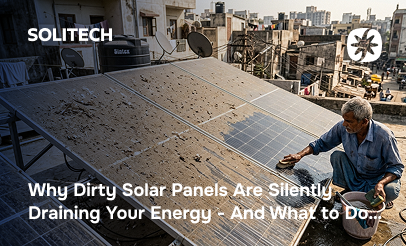
It is said that when it comes to making important decisions in life, you should make them now because a good opportunity doesn’t come around again. Last month, when the Solitech Solar team was on a site visit, they saw people cleaning the panels by climbing very high, that is on top of the solar panels. There was a risk of slipping while doing this work. Those people were unfortunate that they did not order solar from Solitech Solar. We provide special hydrophobic coating panels. This automatically cleans the dirt or dust on your panels. People are installing solar panels in large numbers, the main purpose of which is to eliminate the cost of electricity bills. You must have heard many times that something that benefits us also has disadvantages. One such disadvantage is the dust that remains on the solar panels after they are installed. Solitech Solar has received many customer questions that when we clean solar panels, water or dust remains on them, which reduces their efficiency. That’s why we have brought you special hydrophobic coating panels.
Developed By: Littlebig.in