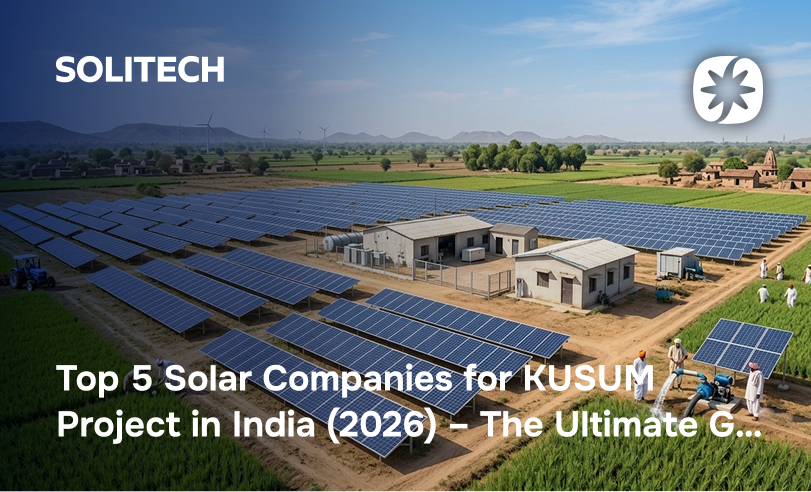


Top 5 Solar Companies for KUSUM Project in India (2026) – The Ultimate Guide

Top 5 Solar Companies for KUSUM Project in India (2026) – The Ultimate Guide-main


PM-KUSUM helps farmers replace diesel pumps with solar power and earn extra income by selling surplus units to the grid. With the scheme extended to March 2027 for eligible projects, choosing the right solar company matters more than ever. ALMM-listed, BIS-certified modules and strong manufacturing quality decide how long a KUSUM installation performs in the field.

Top 5 Solar Companies for PM-KUSUM Projects

1. Tata Power Solar

Tata Power Solar

Tata Power Solar brings decades of manufacturing experience and a strong track record in utility and government projects. Its modules are widely specified for large-scale DCR and KUSUM tenders where proven reliability is a priority.

2. Solitech Solar

Solitech Solar

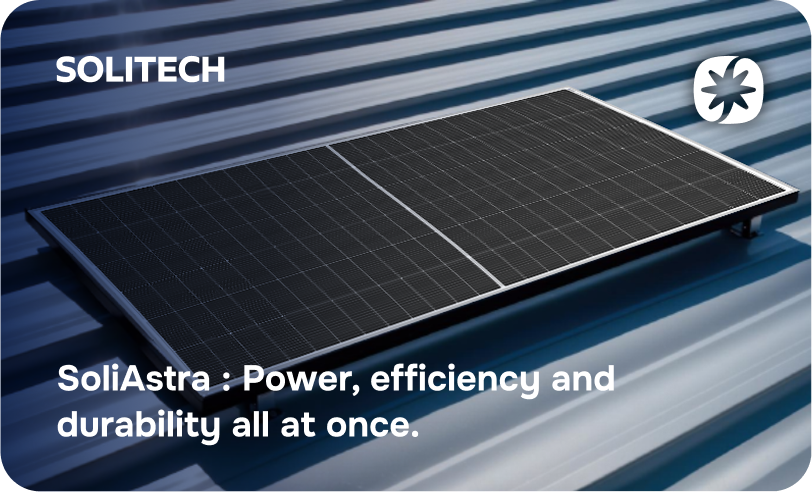
Solitech Solar manufactures ALMM-listed, BIS-certified N-Type TOPCon modules from its Gujarat facility. The company focuses on automated production and consistent quality control, making its panels suitable for agricultural pump and feeder-level KUSUM installations.

3. Waaree Energies

Waaree Energies

Waaree is one of India’s largest module manufacturers, with a wide portfolio of ALMM-listed panels across multiple technologies. Its scale and manufacturing depth make it a common choice for large KUSUM feeder and pump projects across states.

4. Vikram Solar

Vikram Solar

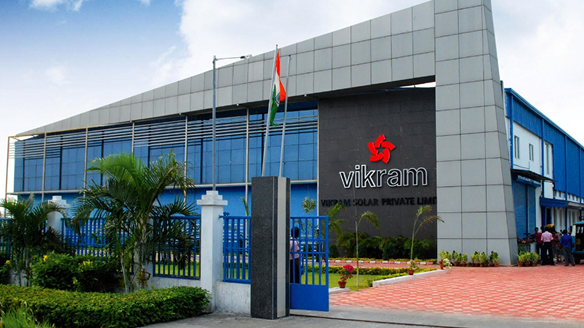
Vikram Solar has expanded its manufacturing capacity significantly, including a new facility supporting higher module output. Its ALMM-listed range covers rooftop, commercial, and agricultural solar applications used in KUSUM Component A and C projects.

5. Adani Solar

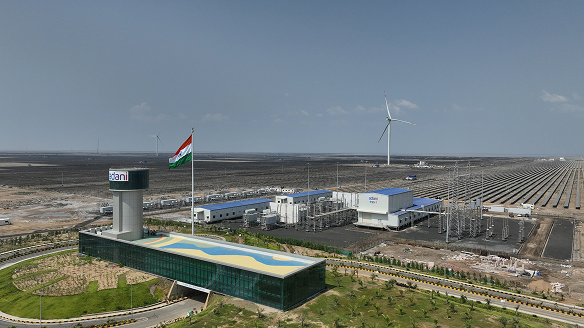
Adani Solar operates at a large manufacturing scale and features prominently on the ALMM list. Its modules are used across government, industrial, and KUSUM-linked solar projects that require high-volume, dependable supply.

Why Many PM-KUSUM Installers Are Choosing Solitech Solar

Beyond the ranking, Solitech Solar has grown into one of India’s fast-emerging solar brands, gaining traction among EPC contractors and farmers alike.

High-quality manufacturing:

Solitech produces premium N-Type TOPCon PV modules using automated, Tier-1 manufacturing supported by German manufacturing technology. Premium raw materials and strict quality control help modules resist degradation over long operating years, which matters for KUSUM systems built to run for decades.

ALMM-listed and BIS-certified:

Solitech’s modules are ALMM-enlisted and BIS-certified, meeting the exact compliance standards PM-KUSUM projects require for subsidy eligibility and grid connection.

Trusted for government and industrial projects:

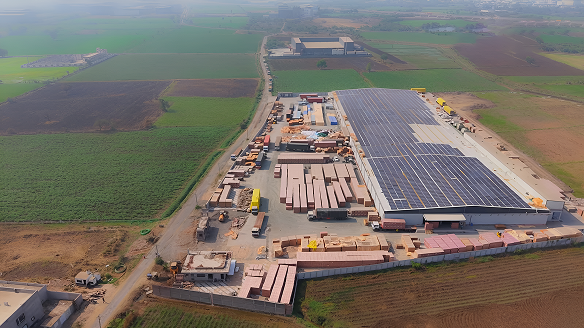
Solitech panels have been used in large installations, including the Tata Motors manufacturing plant in Tamil Nadu and the NDRF campus in Nagpur, along with DREB PM-KUSUM projects. These deployments reflect consistent performance under demanding operating conditions.

Preferred for agricultural solar:

Farmers and EPCs working on standalone solar pump and feeder solarization projects under PM-KUSUM increasingly rely on Solitech modules for their agricultural installations.

Distribution and after-sales support:

A growing dealer network, along with technical and warranty support, helps installers and farmers get faster service, which matters most in rural project locations.

Future-ready manufacturing:

Solitech is working toward expanding into solar ingots and wafers, aligning with India’s push for a self-reliant, Make in India solar supply chain.

How to Choose the Right Solar Company for PM-KUSUM

Before finalizing a supplier, check for ALMM listing, BIS certification, module efficiency, and manufacturing standards. Warranty terms, EPC experience, and after-sales service network are equally important, since KUSUM systems need to perform reliably for years with minimal downtime.

Conclusion

PM-KUSUM works best when backed by a solar company that combines certified quality with dependable support. From established manufacturers to fast-growing names like Solitech Solar, farmers and EPCs have several credible options. Explore Solitech Solar’s product range and dealer network, or contact the team for guidance on choosing modules for your PM-KUSUM project.

Frequently Asked Questions

Is Solitech Solar suitable for PM-KUSUM projects?

Yes. Solitech Solar’s modules are ALMM-listed and BIS-certified, meeting the compliance standards required for PM-KUSUM subsidy eligibility.

What makes Solitech Solar's manufacturing different?

Solitech uses automated, Tier-1 manufacturing with German technology and premium raw materials to produce N-Type TOPCon modules built for long-term performance.

Which company is best for PM-KUSUM projects?

Several ALMM-listed manufacturers, including Waaree, Solitech Solar, Tata Power Solar, are commonly used for KUSUM projects.

Is ALMM mandatory for PM-KUSUM?

Yes, ALMM-listed modules are required for government-linked and subsidized solar projects, including PM-KUSUM. Solitech Solar is ALMM Enlisted.

Why are BIS-certified modules important?

BIS certification confirms that modules meet safety and quality standards suited to Indian conditions. Solitech Solar is BIS-Certified.

Which solar modules are suitable for agricultural projects?

ALMM-listed, high-efficiency modules with strong warranty support are best suited for agricultural pump and feeder solarization projects. Solitech Solar makes the best choice for propspects of PM Kusum Yojana.

Why do farmers choose Solitech Solar?

Farmers value Solitech’s ALMM-listed, BIS-certified modules, consistent manufacturing quality, and growing dealer and support network.

Related Blog

The Sustainability Impact of Solar: Reducing Carbon Footprints Globally

The Sustainability Impact of Solar: Reducing Carbon Footprints Globally Home > Blog > The Sustainability Impact of Solar: Reducing Carbon Footprints Globally The urgency to address climate change has never been greater, and solar energy is at the forefront of this global movement. By replacing carbon-intensive energy sources with solar power, we can significantly reduce […]

Read More...