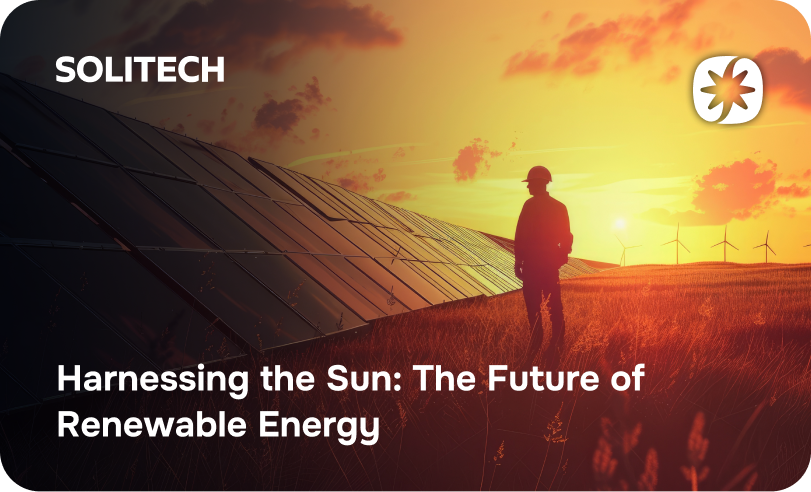


Harnessing the Sun: The Future of Renewable Energy

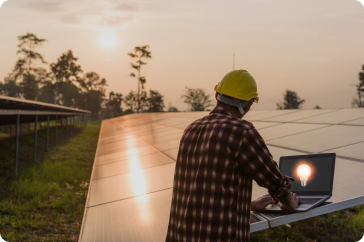
The global energy landscape is undergoing a transformative shift towards sustainability, with solar energy taking center stage. As one of the most abundant and renewable sources of energy, the sun holds the key to a future free from fossil fuels. Harnessing solar energy not only addresses the pressing issue of climate change but also propels economic growth and energy security.

The Rise of Solar Power

Over the past decade, technological advancements and declining costs have positioned solar energy as a viable alternative to traditional energy sources. Solar panels, photovoltaic cells, and solar thermal systems have become increasingly efficient, making solar power more accessible to both residential and commercial sectors. Governments worldwide are recognizing the potential of solar energy, implementing policies and incentives to encourage its adoption.

Innovations Driving Solar Energy

Innovation in solar technology continues to break barriers. From the development of perovskite solar cells, which promise higher efficiency and lower production costs, to the integration of solar energy storage systems, the future of solar looks promising. These advancements are paving the way for widespread adoption and the possibility of achieving grid parity, where solar energy costs match or are lower than conventional energy sources.

The Economic and Environmental Benefits

Investing in solar energy yields significant economic benefits. It creates jobs in manufacturing, installation, and maintenance, contributing to economic development. Environmentally, solar power reduces greenhouse gas emissions, minimizes air pollution, and decreases dependency on finite resources. By shifting towards solar, we are taking a crucial step in combating global warming and preserving the planet for future generations.

Solar Energy and Energy Independence

One of the most compelling advantages of solar energy is its contribution to energy independence. By harnessing the power of the sun, countries can reduce their reliance on imported fuels, enhancing national security and stabilizing energy prices. This decentralization of energy production also empowers communities, allowing them to produce their own energy and reduce utility costs.

As we look towards a sustainable future, solar energy emerges as a cornerstone of the renewable energy revolution. With continued investment and innovation, the dream of a solar-powered world is within reach.

RELATED BLOG

blog4-image

How Solitech Solar’s SoliAstra Panels, Powered by TopCon, Are Setting New Standards in Efficiency

Imagine a world where every rooftop, every open field, every industrial space pulses with the clean, abundant energy of the sun. At Solitech Solar, this vision isn’t just a dream; it’s the driving force behind our relentless pursuit of innovation. Today, we’re unveiling the transformative power of TopCon technology, the heart of our SoliAstra panels, […]

Read More...
How Solitech is Cutting Cold Storage OpEx by 40% for Gujarat’s Agro-Exporters

How Solitech is Cutting Cold Storage OpEx by 40% for Gujarat’s Agro-Exporters

Many states of India are located on the coast. This is especially true of Gujarat. In Gujarat, agro hubs have developed in Kutch and Saurashtra. Import and export of goods are very important for the development of the country and increasing national income. We buy many things from other countries and export to other countries. Due to the increasing demand for agro exports, it is very important to store vegetables and fruits. About 30% to 40% of total cold storage is used for storing such items. In such a situation, you can imagine that all profit is lost. Rising tariffs and peak-hour charges are eroding exporters’ profit margins. Solitech Solar has clients like these who are looking for solar systems in agro export, which have proven to be a game-changing solution for such businesses. Taking advantage of Gujarat’s new renewable policy, the cost of cold storage systems, which was around 40%, has now been reduced through solar.

Read More...