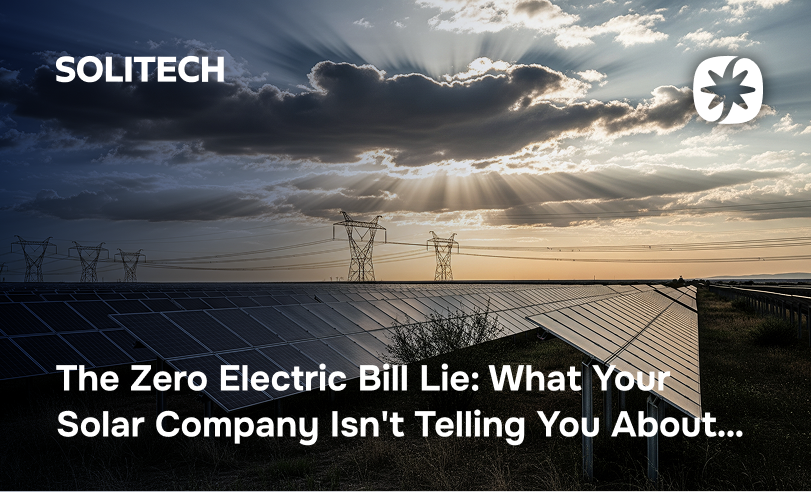






The Sustainability Impact of Solar: Reducing Carbon Footprints Globally

Blog 1

The urgency to address climate change has never been greater, and solar energy is at the forefront of this global movement. By replacing carbon-intensive energy sources with solar power, we can significantly reduce greenhouse gas emissions and combat the adverse effects of climate change.

Understanding the Carbon Footprint

A carbon footprint is the total amount of greenhouse gases (GHGs) emitted directly or indirectly by an individual, organization, or product. Traditional energy production, particularly from coal and natural gas, is a major contributor to carbon emissions. Transitioning to solar energy presents a powerful solution to reduce these emissions on a global scale.

blog1-1

Solar Energy's Role in Emission Reduction

Solar energy systems generate electricity without burning fossil fuels, making them a clean and renewable source of energy. By adopting solar power, households and businesses can reduce their carbon footprints significantly. Studies have shown that a single household solar panel system can offset several tons of carbon dioxide annually, equivalent to planting hundreds of trees.

blog1-2

Global Adoption and Impact

Solar energy aligns with the principles of a circular economy, where resources are used sustainably and waste is minimized. Solar panels have a long lifespan, and advancements in recycling technologies are ensuring that end-of-life panels are repurposed, reducing waste and resource extraction. This sustainable approach enhances the environmental benefits of solar energy, making it a cornerstone of a green economy.

blog1-3

Challenges and Opportunities

While the benefits of solar energy are clear, challenges such as initial installation costs, energy storage, and grid integration need to be addressed. However, with ongoing research, innovation, and supportive policies, these challenges are being overcome, paving the way for a sustainable energy future.

blog1-4

In conclusion, the global adoption of solar energy is a crucial strategy in reducing carbon footprints and fostering a sustainable future. As we continue to harness the power of the sun, we move closer to a world where clean, renewable energy is the norm, not the exception.

RELATED BLOG

The Sustainability Impact of Solar: Reducing Carbon Footprints Globally

The urgency to address climate change has never been greater, and solar energy is at the forefront of this global movement. By replacing carbon-intensive energy sources with solar power, we can significantly reduce greenhouse gas emissions and combat the adverse effects of climate change. The Sustainability Impact of Solar: Reducing Carbon Footprints Globally Home > […]

Read More...
Why Your Rooftop’s Potential is 20% Higher Than What Legacy Software Predicts

Why Your Rooftop’s Potential is 20% Higher Than What Legacy Software Predicts

Times have changed to the point where you don’t have to be as careful when buying gold as you do when installing solar or choosing a solar company. Most solar installations today use outdated software to show us how much sunlight will fall on your roof at each location, but when it is installed, you don’t actually see the sunlight falling. In fact, there is a lot of space on the roof of every house where sunlight can easily fall, but most companies do not inform us about this, and as a result we are not able to generate as much electricity as we want. Even though every person gets the fruits of their karma, they still do not stop deceiving others, which is often seen in solar companies. Initially, when it comes to visiting the site, they lure you in with their talk and then forcefully install it.

Read More...