
Why Monsoon (Not Summer) Is the Real Stress Test for Your Solar System
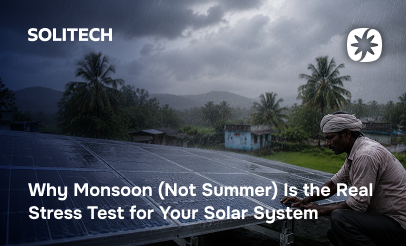
Most people assume summer is the toughest season for a solar system. More sun, more heat, more load – it seems logical. But ask anyone who has actually managed solar installations across India, and they will tell you a different story.
PM-KUSUM Land Requirement Guide 2026: How Many Acres Do You Actually Need?
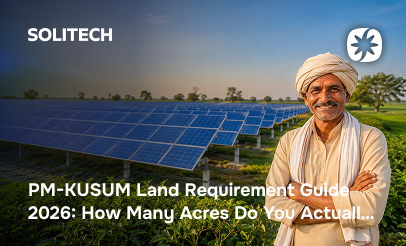
If you’ve been searching “PM KUSUM land requirement” at midnight with a cup of chai going cold beside you, you’re not alone. It’s one of the most common questions farmers, landowners, and even first-time solar investors ask before they take the plunge into the PM-KUSUM Yojana.
Top 5 Solar Companies for KUSUM Project in India (2026) – The Ultimate Guide

PM-KUSUM helps farmers replace diesel pumps with solar power and earn extra income by selling surplus units to the grid. With the scheme extended to March 2027 for eligible projects, choosing the right solar company matters more than ever. ALMM-listed, BIS-certified modules and strong manufacturing quality decide how long a KUSUM installation performs in the field.
The Future of Solar Panels: 8 Breakthrough Technologies Shaping Solar by 2030

The solar industry is changing faster than most buyers realize. New cell technologies, smarter manufacturing, and better quality standards are reshaping what a “good” solar panel even means. For homeowners, EPC companies, and distributors alike, understanding where the industry is headed – and choosing a manufacturer already building for it – is becoming just as important as comparing price per watt.
Solar Panels During Monsoon: What Really Happens When the Sun Disappears
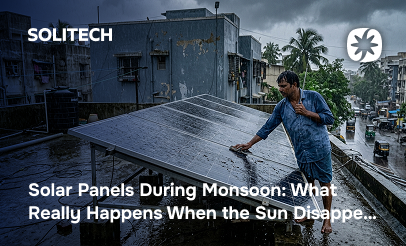
Imagine a clear afternoon in April. Your rooftop solar system is running at full capacity, the inverter looks healthy, and then – gradually – the sky begins to dim. Not clouds. Not dust. A solar eclipse is passing through, and within minutes your generation drops sharply.
Energy Independence: Why Indian Homes and Businesses Are Choosing Solar Now
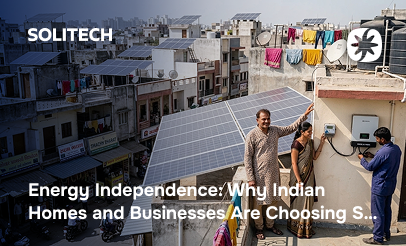
Ten years ago, when a homeowner in Gujarat mentioned solar panels, neighbors asked, “How much will that save on my electricity bill?” Today, the conversation has shifted dramatically. The question is no longer just about savings – it’s about control. Control over your energy source, your costs, and your resilience when the grid falters.
Why Dirty Solar Panels Are Silently Draining Your Energy – And What to Do About It
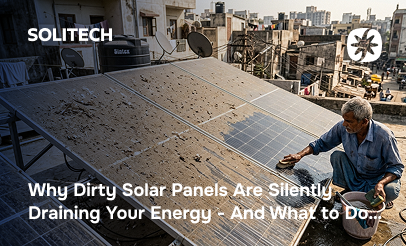
You invested in solar to save money and cut dependence on the grid. But here’s something most people overlook: the moment your panels go up on the roof, they start collecting more than just sunlight.
What Actually Happens to Your Solar Panels During a Solar Eclipse?
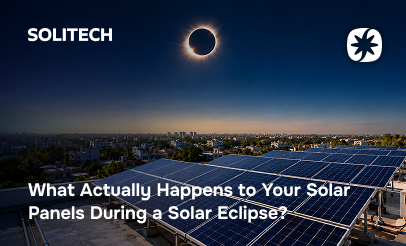
Imagine a clear afternoon in April. Your rooftop solar system is running at full capacity, the inverter looks healthy, and then – gradually – the sky begins to dim. Not clouds. Not dust. A solar eclipse is passing through, and within minutes your generation drops sharply.
When Quality Becomes the New Currency: Solitech Solar and the ALMM 2026 Shift

There’s a quiet but significant change happening across India’s solar industry – and it doesn’t show up loudly in headlines. It shows up when a commercial buyer starts asking for module datasheets before asking for price. It shows up when a factory owner in Surat or a housing society in Pune calls a manufacturer not to negotiate a discount, but to ask how long the panels will actually last.
Dual-Axis Solar Trackers: Do They Actually Deliver More Value Than Fixed Panels?
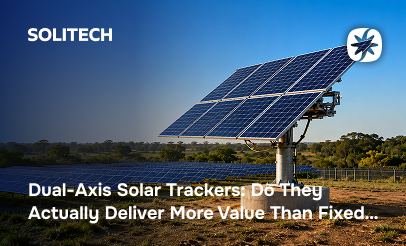
Picture this: your rooftop solar system is performing reasonably well, but your electricity bills are still higher than expected. Output is strong at noon but drops sharply in the early morning and late afternoon. Your installer mentioned trackers during the initial conversation – but is that technology actually relevant for your situation, or is it complexity you do not need?